Loading details…
Album
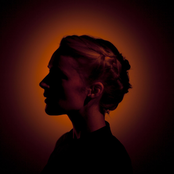
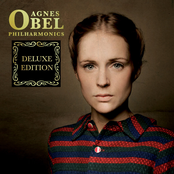
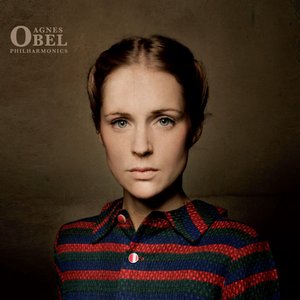
Philharmonics
Agnes Obel →452,959 listeners8,583,391 plays
alternativepianofemale vocalistsfolksinger-songwriter
about this album
Born in Copenhagen in 1981, Obel claims to be heavily influenced by the classical composers, Bartok, Debussy, Ravel, Satie and popular artists, Roy Orbison, Joni Mitchell and Jan Johansson. On listening to the 12 songs that comprise Philharmonics, some of these influences can be distinctly heard. Although folk music features all the way through Obel’s compositions, it is the sparse atmospheric sound that is predominant. Obel writes, performs and produces everything herself. She studied the piano from an early age and was taught by her mother. There are three instrumental numbers on this album. The first, Falling, Catching is purely piano solo and immediately Satie springs to mind. The clashing harmonies are pure Bartok and the falling melody is reflected in the title of the song. Loretta combines synth and keyboard sounds with the piano and is characterized by a few simple chords and Wallflower has an ethereal lilting quality combining solo cello with piano. The remaining numbers are all vocal. Obel has a breathy, light voice which is suited to this kind of minimalist style. Many of the songs are multitracked so that Obel is able to produce interesting vocal harmonies. Brother Sparrow and Just So use both piano and guitar accompaniments, both have pretty lilting melodies. Avenue and Over the Hill combine simple chordal harmonies with breathy reflective vocal lines. The album title, Philharmonics uses strong minor chords providing an emotional element which mimics the lyri
tracks
11:3323:5033:5843:3353:5062:0574:0683:3394:00102:26112:48124:07
Falling, Catching
Agnes Obel
Riverside
Agnes Obel
Brother Sparrow
Agnes Obel
Just So
Agnes Obel
Beast
Agnes Obel
Louretta
Agnes Obel
Avenue
Agnes Obel
Philharmonics
Agnes Obel
Close Watch
Agnes Obel
Wallflower
Agnes Obel
Over the Hill
Agnes Obel
On Powdered Ground
Agnes Obel