Loading details…
Album
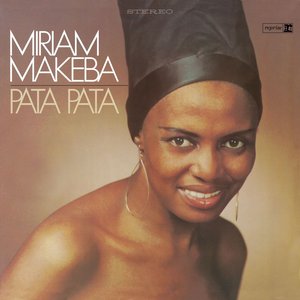
Pata Pata
Miriam Makeba →117,514 listeners639,538 plays
africanworldfemale vocalistsworld musicmukham-seal
about this album
Following a three-decade-long exile, Miriam Makeba's return to South Africa was celebrated as though a queen was restoring her monarchy. The response was fitting as Makeba remains the most important female vocalist to emerge out of South Africa. Hailed as the Empress of African Song and Mama Africa, Makeba helped bring African music to a global audience in the '60s. Nearly five decades after her debut with the Manhattan Brothers, she continues to play an important role in the growth of African music. Makeba's life has consistently been marked by struggle. As the daughter of a sangoma, a mystical traditional healer of the Xhosa tribe, she spent six months of her birth year in jail with her mother. Gifted with a dynamic vocal tone, Makeba recorded her debut single, "Lakutshona Llange," as a member of the Manhattan Brothers in 1953. Although she left to form an all-female group named the Skylarks in 1958, she reunited with members of the Manhattan Brothers when she accepted the lead female role in a musical version of King Kong, which told the tragic tale of Black African boxer, Ezekiel "King Kong" Dlamani, in 1959. The same year, she began an 18-month tour of South Africa with Alf Herbert's musical extravaganza, African Jazz and Variety, and made an appearance in a documentary film, Come Back Africa. These successes led to invitations to perform in Europe and the United States. Makeba was embraced by the African American community. "Pata Pata," Makeba's signature tune, was writ
you might also explore
▤Books
▧Games
▣Movies
▦TV