Loading details…
about this album
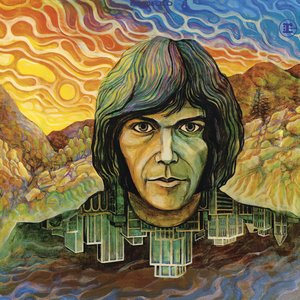
Neil Young is the self-titled debut studio album by Canadian musician Neil Young, which was his debut release as a solo artist following his departure from the band Buffalo Springfield. Released first in November 1968, it was then partially remixed and re-released in January 1969. On his songs for Buffalo Springfield, Neil Young had demonstrated an eclecticism that ranged from the rock of "Mr. Soul" to the complicated, multi-part arrangement of "Broken Arrow." On his debut solo album, he continued to work with composer/arranger Jack Nitzsche, with whom he had made "Expecting to Fly" on the Buffalo Springfield Again album, and together the two recorded a restrained effort on which the folk-rock instrumentation, most of which was by Young, overdubbing himself, was augmented by discreet string parts. The country & western elements that had tinged the Springfield's sound were also present, notably on the leadoff track, "The Emperor of Wyoming," an instrumental that recalled the Springfield song "A Child's Claim to Fame." Still unsure of his voice, Young sang in a becalmed high tenor that could be haunting as often as it was listless and whining. He was at his least appealing on the nine-and-a-half-minute closing track, "The Last Trip to Tulsa," on which he accompanied himself with acoustic guitar, singing an impressionistic set of lyrics seemingly derived from Bob Dylan's Highway 61 Revisited. But double-tracking and the addition of a female backup chorus improved the singing els
tracks
12:2023:5032:1242:1855:1460:5773:4881:5392:44109:27
The Emperor of Wyoming
Neil Young
The Loner
Neil Young
If I Could Have Her Tonight
Neil Young
I've Been Waiting for You
Neil Young
The Old Laughing Lady
Neil Young
String Quartet From Whiskey Boot Hill
Neil Young
Here We Are in the Years
Neil Young
What Did You Do to My Life?
Neil Young
I've Loved Her So Long
Neil Young
The Last Trip to Tulsa
Neil Young