Loading details…
Album
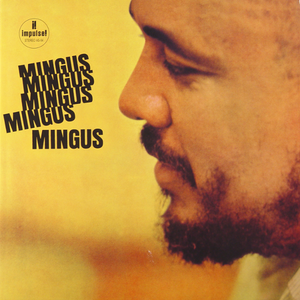
Mingus Mingus Mingus Mingus Mingus
Charles Mingus →175,901 listeners1,179,517 plays
jazz60s1963post-bopbass
about this album
Alto Saxophone – Charles Mariano* (tracks: 2, 3) Alto Saxophone, Flute – Eric Dolphy (tracks: 1, 4 to 8) Art Direction – Hollis King Baritone Saxophone, Soprano Saxophone, Flute – Jerome Richardson Bass – Charlie Mingus* Design – Jason Claiborne Drums – Dannie Richmond (tracks: 2, 3), Walter Perkins (tracks: 1, 4 to 8) Engineer – Bob Simpson Guitar – Jay Berliner (tracks: 2, 3) Mastered By – Erick Labson Narrator – Charlie Mingus* (tracks: 8) Oboe – Dick Hafer (tracks: 2, 3) Photography By – Joe Alper Piano – Charlie Mingus* (tracks: 2, 3), Jaki Byard Producer – Bob Thiele Reissue Producer – Michael Cuscuna Tenor Saxophone – Booker Ervin (tracks: 1, 4 to 8) Tenor Saxophone, Clarinet, Flute – Dick Hafer (tracks: 1, 4 to 8) Trombone – Britt Woodman (tracks: 1, 4 to 8), Quentin Jackson (tracks: 2, 3) Trumpet – Eddie Preston (tracks: 1, 4 to 8), Richard Williams, Rolf Ericson (tracks: 2, 3) Tuba – Don Butterfield Sometimes known as Mingus Five, there are several compositions on 1963 recording MingusMingusMingusMingusMingus which had already been recorded on previous albums, notably Goodbye Pork Pie Hat - a tribute to tenor player Lester Young, and Better Get Hit in Yo Soul, inspired by early gospel music, both of which appeared on Mingus Ah Um in 1959. The main inspiration for Charles Mingus was Duke Ellington, with whom he played briefly in the early 50s before having the dubious distinction of being personally fired by the Duke. Mood Indigo is of course an Ellington classi