Loading details…
about this album
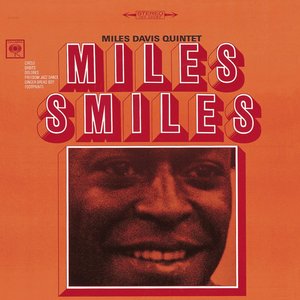
"Miles Smiles" stands as a pivotal jazz album, released on February 16, 1967, through Columbia Records. This groundbreaking Miles Smiles marked a significant evolution in Miles Davis's artistic journey, particularly in his exploration of modal jazz - a style that moves away from traditional chord progressions to focus on scales or "modes." The album's innovative approach can be understood through its historical context: While earlier jazz relied heavily on fixed chord progressions, Davis and his quintet were pioneering a more fluid, conversational style of playing. This approach allowed for greater musical freedom while maintaining structural coherence - imagine a group of people having an animated conversation where each person builds upon others' ideas rather than following a strict script. The legendary second great quintet featured: Miles Davis on trumpet Wayne Shorter on tenor saxophone Herbie Hancock on piano Ron Carter on bass Tony Williams on drums The album's significance lies in its revolutionary approach to jazz performance. The quintet developed what musicians call "time-no-changes" - a technique where the rhythm section maintains momentum without being bound to specific chord progressions. This can be compared to a high-wire act where artists maintain perfect balance while appearing to defy gravity. The post-bop style they created merged several musical concepts: Modal harmony - Using scales rather than chord progressions as the basis for improvisation Rhy