Loading details…
Album
Los simples
Invisible →10,673 listeners106,759 plays
fusionretrospectivaprogressive rockair guitarthe only band that mattered
about this album
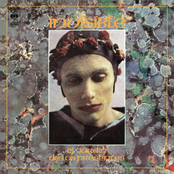
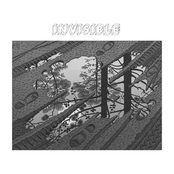
Invisible's first recording, in 1973, was a single containing the songs "Elementales Leches" and "Estado de Coma." The former is a remarkable song, considered by many to be among Spinetta's best, which was banned during the dictatorship that began in 1976, likely because censors associated the word "leches" (milks) with semen, thus mistaking it for a song with sexual content. A secret report from the dictatorship claimed, among other "dangerous" things, that Spinetta's work promoted "sexual debauchery." The song has a refrain that repeats like a mantra: "what exists and is not used will destroy us." With its hermetic poetry, the title alludes to germinal philosophical notions, combining the expression "elementales" (elementals), characteristic of esotericism and linked to the Eastern philosophies that inspired Spinetta during those years, and the expression "leches" (milks), related to motherhood and nourishment. Spinetta has said: "This concept can be applied to any field: if you don't use life, life kills you; if you don't use force, force kills you." "Viejos ratones del tiempo" and "Oso del sueño" would be the third and final single by Invisible, released at the end of 1974, after the release of their first LP. This single would be the band's last work with the Talent-Microfón label. In 1975, Invisible signed a contract with CBS, and the first thing they recorded at the company's studios was the song "Amor de primavera", by Hernán Pujo and Tanguito. Spinetta's guitar soa