Loading details…
about this album
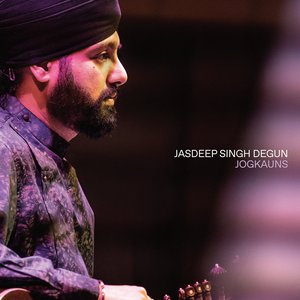
You’re listening to the first Indian classical recording by Jasdeep Singh Degun. Standing in his front room in Leeds and rifling through his enviable collection of vintage vinyl by the twentieth century masters of the Imdad-Khani gharana, the North Indian school of sitar music in which he’s trained, Degun is anticipating the arrival of his own LP. Lately he’s been giving a lot of thought to the history of the sitar on record. It’s informed the many sensitive negotiations between ancient and contemporary that he’s had to make in the creation of this release. Indian classical music, after all, is a long form, improvised tradition, resistant to being captured in a studio and pressed onto vinyl. Its ornamented melodies and complex rhythms unfold spontaneously, often over hours, during ephemeral, unrepeatable performances. It demands a very different approach from the writing, tight arrangements and rehearsals with which musicians in the western tradition prepare for a session. Slipping a mid-century album by Vilayat Khan onto the turntable, Degun considers the fact that the ustad’s first recordings were made in the 1930s, for gramophones that could only play back a maximum of three minutes’ music at 78 rpm. This brutal collision of centuries-old tradition with the march of technology forced a radical response on the musician’s part, accepting that his performance would be “just a snapshot, and packing so much onto those very brief sides”. Introduced in the 1940s, the microgro