Loading details…
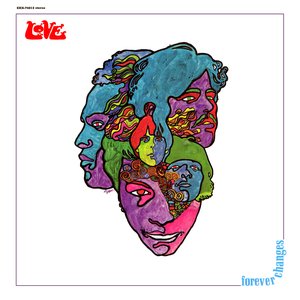
Album
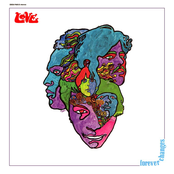
Forever Changes
Love →234,839 listeners4,531,286 plays
psychedelic rock196760spsychedelicclassic rock
about this album
Love's Forever Changes made only a minor dent on the charts when it was first released in 1967, but years later it became recognized as one of the finest and most haunting albums to come out of the Summer of Love, which doubtless has as much to do with the disc's themes and tone as the music, beautiful as it is. Sharp electric guitars dominated most of Love's first two albums, and they make occasional appearances here on tunes like "A House Is Not a Motel" and "Live and Let Live," but most of Forever Changes is built around interwoven acoustic guitar textures and subtle orchestrations, with strings and horns both reinforcing and punctuating the melodies. The punky edge of Love's early work gave way to a more gentle, contemplative, and organic sound on Forever Changes, but while Arthur Lee and Bryan MacLean wrote some of their most enduring songs for the album, the lovely melodies and inspired arrangements can't disguise an air of malaise that permeates the sessions. A certain amount of this reflects the angst of a group undergoing some severe internal strife, but Forever Changes is also an album that heralds the last days of a golden age and anticipates the growing ugliness that would dominate the counterculture in 1968 and 1969; images of violence and war haunt "A House Is Not a Motel," the street scenes of "Maybe the People Would Be the Times or Between Clark and Hillsdale" reflects a jaded mindset that flower power could not ease, the twin specters of race and internationa
tracks
13:1723:2533:1543:2552:5763:3073:3085:2493:00102:20116:49
Alone Again Or
Love
A House Is Not a Motel
Love
Andmoreagain
Love
The Daily Planet
Love
Old Man
Love
The Red Telephone
Love
Maybe the People Would Be the Times or Between Clark and Hilldale
Love
Live and Let Live
Love
The Good Humor Man He Sees Everything Like This
Love
Bummer in the Summer
Love
You Set the Scene
Love