Loading details…

about this album
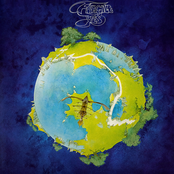
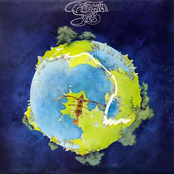
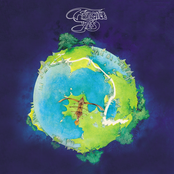
Close to the Edge set a trend for Yes of structuring an album around a single epic song, significantly longer than the album's other tracks. Here the centerpiece is the song "Close to the Edge". Later Yes albums that follow a similar pattern are Relayer (1974) (which features "The Gates of Delirium") and Going for the One (1977) (which features "Awaken"). The spiritual influences introduced by Jon Anderson, which later formed the basis of Tales from Topographic Oceans, are already evident in the music and lyrics of all three tracks on Close to the Edge. Renewal and repetition are other main themes; the title track starts and finishes with the same sound effects of running water and birds, and in "Siberian Khatru" there is the repetition of two-syllable words and phrases. According to the group's fans, the title track is inspired by Hermann Hesse's book Siddhartha. This interpretation, which can cast the cryptic and mysterious lyrics in a new light, reads the song as tracking the awakening of Hesse's character "close to the edge" of a river (and, symbolically, of the serial lifetimes of his soul), where he experiences a spiritual awakening. In June 1972, just as recording ended, drummer Bill Bruford suddenly left the line-up to play with King Crimson, forcing Yes to find a replacement drummer (ex-Plastic Ono Band member Alan White) before starting a new U.S. tour. Inside of the Close to the Edge LP cover.The cover art was by Roger Dean. Some of the photography for the al